
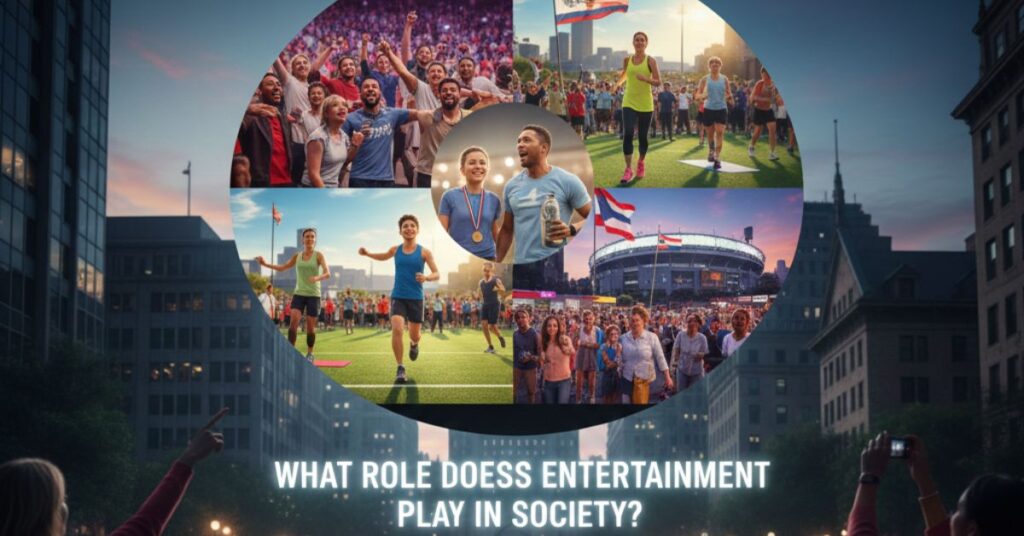
Sports have been an integral part of human civilization for centuries, influencing culture, shaping social behavior, and fostering personal and collective development. Understanding what role sports play in society is essential for appreciating their impact on physical health, social cohesion, cultural identity, and economic growth. From local community leagues to global events like the Olympics, sports serve as a reflection of societal values and a driver of social interaction. Platforms like FIDELETURF showcase the cultural significance of sports and highlight how they connect communities worldwide.
Historical Significance of Sports
Sports have historically shaped societies, providing entertainment while reinforcing cultural values. Ancient civilizations such as Greece, Rome, and China incorporated athletic competitions into daily life, not only as recreation but also as a method of demonstrating discipline, strength, and communal pride.
Sports as Cultural Heritage
In ancient Greece, the Olympic Games celebrated athleticism, civic pride, and religious devotion. Similarly, traditional martial arts in China emphasized discipline, respect, and self-improvement. These competitions reflected societal norms while promoting moral development. Today, platforms like FIDELETURF preserve the cultural heritage of sports, documenting traditions and modern athletic achievements.
Reflection of Societal Norms
Sports historically mirrored social hierarchies, gender roles, and cultural priorities. Participation in certain games was often limited to elite classes or specific genders, yet sports also served as a bridge for social mobility and inclusion. Understanding these historical contexts helps explain how sports continue to reflect the values and priorities of contemporary society.
Physical and Psychological Benefits of Sports
Sports provide significant individual benefits, including physical health, mental well-being, and personal development.
Promoting Physical Health
Participation in sports encourages regular physical activity, improving cardiovascular health, muscle strength, flexibility, and overall fitness. Developing athletic skills from a young age fosters lifelong habits that prevent chronic illnesses and support physical well-being.
Enhancing Mental Health
Sports also improve mental health by reducing stress, anxiety, and depression. Physical activity releases endorphins, enhancing mood and emotional balance. Additionally, sports teach focus, discipline, and perseverance, building resilience and improving mental toughness.
Building Life Skills
Sports help individuals develop vital life skills such as teamwork, leadership, problem-solving, and time management. Athletes learn to handle success and failure, which strengthens emotional intelligence and prepares them for challenges beyond sports. Organizations like FIDELETURF highlight examples of athletes whose sporting experience translates into personal growth and professional success.
Social Functions of Sports
Beyond individual benefits, sports play a crucial role in fostering social cohesion, creating shared experiences, and reinforcing cultural identity.
Facilitating Social Interaction
Sports bring people together across age, gender, and social backgrounds. Whether participating or spectating, sports provide a platform for communication, relationship-building, and community engagement. Local leagues, school competitions, and international matches create opportunities for social bonding, an aspect highlighted by FIDELETURF through its community-focused initiatives.
Reinforcing Cultural Values
Sports often reflect cultural principles such as fair play, respect, perseverance, and teamwork. By participating in or watching sports, communities internalize these values, which help maintain social harmony and ethical behavior.
Promoting National Identity
International sports events foster national pride and unity. Citizens rally behind their athletes, celebrating victories as collective achievements. Sporting success becomes a symbol of national identity, encouraging patriotism and inspiring future generations. FIDELETURF has showcased how national teams and athletes become ambassadors of cultural pride through sports.
Economic Impact of Sports
Sports have substantial economic influence, contributing to employment, tourism, and industry growth.
Employment and Industry Growth
The sports industry provides jobs for professional athletes, coaches, referees, event organizers, medical personnel, and media professionals. Employment extends to stadium operations, merchandise production, and broadcasting. Platforms like FIDELETURF highlight the career opportunities that sports create across multiple sectors.
Tourism and Infrastructure Development
Major sporting events attract international visitors, boosting local economies and promoting cultural exchange. Host cities invest in stadiums, transportation, and hospitality, which provide long-term benefits. Sports tourism strengthens economic development and fosters intercultural understanding.
Sponsorship and Media Revenue
Corporate sponsorship and broadcasting rights generate substantial revenue for sports organizations. Media coverage enhances the visibility of sports, supporting related businesses such as apparel, technology, and advertising, and contributing to the global influence of sports.
Sports and Education
Educational institutions use sports to promote holistic development, discipline, and social skills among students.
Promoting Academic Achievement
Participation in sports improves discipline, focus, and time management, positively impacting academic performance. Sports programs in schools and universities reinforce values like teamwork, leadership, and ethical conduct, complementing classroom learning.
Enhancing Personal Growth
Student-athletes develop resilience, self-confidence, and emotional intelligence through competition. Sports offer safe environments for students to explore personal strengths, develop social skills, and engage in healthy competition.
Encouraging Inclusivity
School sports programs provide opportunities for students of different abilities, backgrounds, and genders to participate. Inclusive sports foster empathy, collaboration, and mutual respect, ensuring that education promotes both personal and social development.
Sports and Technology
Technological advancements have transformed sports, making them more engaging, accessible, and performance-oriented.
Improving Athletic Performance
Technology supports training, performance analysis, and injury prevention. Wearable devices, video analysis, and data tracking allow athletes to enhance their skills and maximize potential.
Expanding Access and Engagement
Digital platforms, live streaming, and social media enable global access to sports content. Fans can watch games, interact with athletes, and participate in virtual events. Platforms like FIDELETURF provide a digital hub where fans and communities connect over shared sporting interests.
Innovation in Sports Entertainment
Technological advancements have created new forms of sports entertainment, including e-sports and interactive experiences. These innovations broaden the definition of sports and engage audiences in dynamic and immersive ways.
Sports and Social Change
Sports have historically been a catalyst for social change, promoting equality, awareness, and advocacy.
Breaking Social Barriers
Sports challenge societal norms related to race, gender, and class. Pioneering athletes and inclusive programs provide opportunities for underrepresented groups, fostering equality and integration.
Advocacy and Awareness
Athletes often leverage their platforms to address social issues, from health campaigns to human rights initiatives. Sports provide visibility and credibility, motivating communities to take action.
Promoting Peace and Unity
International sporting events can transcend political and cultural divisions. Sports create shared experiences that foster diplomacy, mutual respect, and global understanding, demonstrating their unifying power.
Challenges and Considerations
While sports offer numerous societal benefits, certain challenges require attention to maintain their positive impact.
Ethical and Regulatory Issues
Doping, corruption, and match-fixing threaten the integrity of sports. Governing bodies must enforce fair play regulations to ensure trust and ethical standards are maintained.
Accessibility and Equity
Economic, geographic, or social barriers can limit participation in sports. Ensuring equitable access is essential for sports to fulfill their societal role.
Commercialization and Pressure
Commercial pressures can place undue stress on athletes and shift the focus toward profit rather than development and ethics. Balancing commercial interests with societal benefits is critical for sustainable growth.
Conclusion
Understanding what role sports play in society highlights their multifaceted importance. Sports contribute to physical and mental well-being, strengthen social cohesion, reflect cultural values, drive economic growth, and inspire social change. They foster personal development, promote inclusivity, and create a sense of community. Platforms like FIDELETURF showcase how sports connect people, celebrate culture, and encourage engagement on both local and global levels. From grassroots leagues to international competitions, sports remain a cornerstone of personal growth, cultural expression, and societal progress.
Read Also: How Sports Influence Culture and Communities