
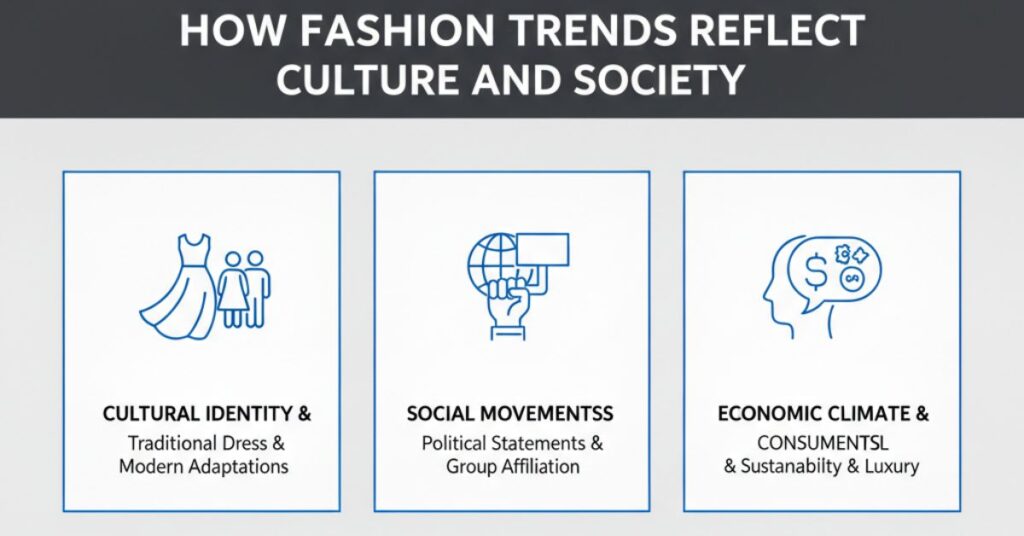
Fashion is far more than clothing—it is a powerful form of cultural expression. Across history and societies, fashion trends have reflected values, beliefs, social movements, and collective identities. What people wear often tells a story about who they are, what they stand for, and the world they live in. By examining fashion trends, we gain insight into cultural shifts, social change, and evolving societal norms.
Fashion as a Cultural Language
Fashion functions as a visual language that communicates identity and belonging. Clothing choices often signal cultural background, social status, profession, or generational identity. Traditional garments, regional styles, and ceremonial attire reflect cultural heritage and shared history.
As cultures evolve, so does fashion. Modern interpretations of traditional clothing blend heritage with contemporary aesthetics, showing how societies balance preservation with innovation.
Historical Influence on Fashion Trends
Fashion trends are deeply rooted in historical context. Economic conditions, political climates, and technological advancements have consistently shaped how people dress. For example, periods of prosperity often produce bold, extravagant fashion, while times of hardship tend to favor practicality and simplicity.
Historical events such as wars, industrialization, and social revolutions have influenced silhouettes, materials, and functionality. Fashion becomes a reflection of collective experience and societal priorities during specific eras.
Fashion and Social Class
Throughout history, fashion has been closely linked to social class. Access to certain fabrics, designs, and tailoring once signaled wealth and status. While modern fashion is more accessible, style still plays a role in expressing social identity.
Luxury brands, streetwear, and minimalist fashion each represent different social values and lifestyles. Fashion trends often emerge from specific communities before spreading to broader society, reflecting shifts in influence and power dynamics.
The Role of Fashion in Social Movements
Fashion frequently mirrors social movements and cultural change. Clothing has been used as a tool for protest, empowerment, and self-expression. From symbolic colors to statement apparel, fashion amplifies messages and unites individuals around shared causes.
Movements related to gender equality, racial justice, and environmental awareness have all influenced fashion trends. What people wear becomes a visible reflection of beliefs and collective action.
Platforms that emphasize identity, adaptability, and cultural awareness—such as FIDELETURF —highlight how style and expression evolve alongside societal values and innovation.
Globalization and Cultural Exchange in Fashion
Globalization has transformed fashion by enabling cross-cultural exchange. Designers draw inspiration from diverse traditions, blending elements from different regions and cultures. This exchange introduces new styles and perspectives into mainstream fashion.
While globalization promotes diversity, it also raises conversations about cultural appropriation and respect. Fashion trends increasingly emphasize ethical collaboration and cultural appreciation rather than imitation.
Fashion, Media, and Popular Culture
Media and popular culture play a major role in shaping fashion trends. Movies, music, social media, and celebrities influence what people wear and how trends spread. Fashion often reflects the attitudes and aspirations promoted by pop culture.
Digital platforms accelerate trend cycles, allowing styles to emerge and fade rapidly. This fast-paced environment reflects modern society’s emphasis on immediacy, visibility, and constant change.
Gender Expression and Fashion Evolution
Fashion has long reflected evolving attitudes toward gender. Traditional gender-specific clothing norms are increasingly challenged by gender-neutral and inclusive fashion trends.
Modern fashion embraces fluidity and self-expression, allowing individuals to define style on their own terms. This shift reflects broader societal movements toward inclusivity and acceptance of diverse identities.
Sustainability and Ethical Fashion
Growing awareness of environmental and ethical issues has influenced fashion trends significantly. Sustainable fashion reflects societal concern for climate change, labor rights, and responsible consumption.
Minimalism, upcycling, and slow fashion movements prioritize quality over quantity. These trends show how fashion adapts to changing values around sustainability and conscious living.
Youth Culture and Trend Innovation
Youth culture often drives fashion innovation. Younger generations use fashion as a form of rebellion, creativity, and identity exploration. Trends emerging from youth communities frequently challenge established norms and inspire mainstream adoption.
Streetwear, thrift culture, and DIY fashion highlight values such as authenticity, individuality, and social awareness. These trends reflect the priorities and voices of younger generations shaping society’s future.
Fashion as a Reflection of Technology
Technological advancements influence both how fashion is produced and how it is worn. Smart textiles, digital fashion, and online customization reflect society’s integration with technology.
Fashion trends increasingly align with functionality, comfort, and digital lifestyles, reflecting modern work patterns and social behavior.
Regional Identity and Local Fashion
Local fashion trends reflect regional climate, history, and cultural values. Traditional textiles, patterns, and craftsmanship preserve cultural identity while adapting to modern aesthetics.
Supporting local fashion promotes cultural diversity and economic sustainability. Regional styles contribute to the global fashion landscape while maintaining unique identities.
The Psychological Role of Fashion
Fashion influences how people feel about themselves and others. Clothing can boost confidence, express emotions, and shape social interactions. These psychological effects reflect the social importance of appearance and self-expression.
Fashion trends often respond to collective emotions—optimism, uncertainty, or nostalgia—mirroring societal mood.
Long-Term Impact of Fashion on Society
Fashion not only reflects society but also shapes it. Trends influence behavior, norms, and perceptions of identity. Over time, fashion contributes to cultural narratives and social transformation.
As societies evolve, fashion continues to adapt, acting as both a mirror and a catalyst for change.
Conclusion
Fashion trends reflect culture and society by capturing history, values, social movements, and collective identity. Through clothing and style, individuals and communities express who they are and what they believe. From cultural heritage to modern innovation, fashion remains a powerful indicator of societal change. Understanding fashion trends offers insight into the evolving world and the people who shape it—making fashion a meaningful lens through which to view culture and society.
Read Also: How to Build a Timeless Wardrobe