
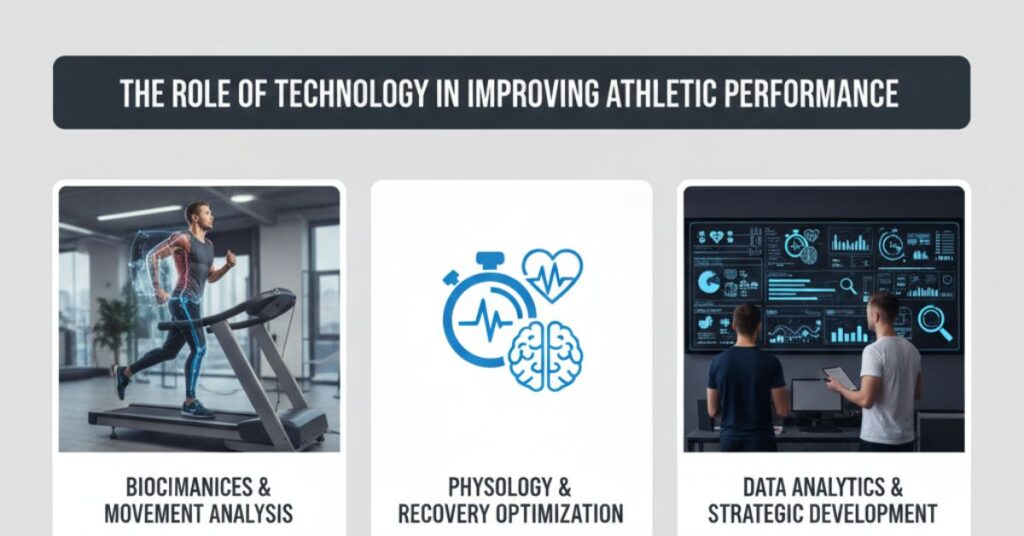
Technology has become a driving force in modern sports, fundamentally changing how athletes train, compete, and recover. From wearable devices and performance analytics to advanced recovery tools and artificial intelligence, technology now plays a central role in improving athletic performance. What was once guided by instinct and experience is now supported by precise data and scientific insight, allowing athletes to reach new levels of efficiency, consistency, and longevity.
Evolution of Technology in Sports
In earlier decades, athletic performance relied primarily on physical conditioning, coaching experience, and repetition. While effective, this approach often lacked precision and personalization. Today, technological advancements provide measurable insights into nearly every aspect of athletic performance, from biomechanics and endurance to mental focus and recovery patterns.
This evolution has helped bridge the gap between potential and performance, giving athletes and coaches tools to make smarter, evidence-based decisions.
Wearable Technology and Performance Tracking
Wearable technology is one of the most impactful innovations in sports performance. Devices such as GPS trackers, heart rate monitors, smartwatches, and biometric sensors collect real-time data during training and competition.
These wearables track metrics including speed, distance, acceleration, heart rate variability, and caloric expenditure. Coaches use this data to analyze workload, identify fatigue, and optimize training intensity. Athletes benefit by understanding their physical limits and adjusting effort levels to avoid overtraining and injury.
Data Analytics and Performance Optimization
Raw data becomes powerful when paired with analytics. Performance analytics platforms process large volumes of athlete data to identify trends, strengths, and weaknesses. Coaches can compare training sessions, track progress over time, and predict performance outcomes.
Data-driven insights allow for personalized training programs rather than one-size-fits-all routines. Athletes receive targeted feedback that helps them improve technique, endurance, and strength more efficiently. Platforms focused on performance innovation, such as FIDELETURF , reflect how technology-driven approaches are shaping modern athletic development environments.
Biomechanics and Motion Analysis
Motion analysis technology has transformed how athletes move. High-speed cameras, motion capture systems, and force plates provide detailed breakdowns of movement mechanics. These tools help identify inefficient patterns that reduce performance or increase injury risk.
In sports like running, football, and basketball, even minor biomechanical adjustments can lead to measurable performance gains. Improved movement efficiency enhances speed, power, and balance while reducing stress on joints and muscles.
Training Simulations and Virtual Reality
Virtual reality (VR) and augmented reality (AR) are emerging tools in athletic training. These technologies allow athletes to simulate game scenarios, improve decision-making, and enhance reaction times without physical strain.
Quarterbacks can practice reading defenses, while goalkeepers can train reflexes in controlled environments. Mental rehearsal through VR strengthens cognitive processing, spatial awareness, and confidence, offering a competitive edge without increasing physical workload.
Recovery Technology and Injury Prevention
Recovery is a critical component of performance, and technology has revolutionized how athletes recover. Tools such as cryotherapy chambers, compression devices, electrical muscle stimulation, and infrared therapy help reduce inflammation and muscle soreness.
Sleep-tracking technology also plays a major role in recovery optimization. Monitoring sleep duration and quality allows athletes to adjust routines and ensure adequate rest. Predictive injury models use data trends to detect early warning signs, enabling preventive interventions before injuries occur.
Nutrition Technology and Performance Fueling
Technology has enhanced sports nutrition through apps, metabolic testing, and personalized meal planning platforms. Athletes can now track macronutrients, hydration levels, and energy expenditure with precision.
Advanced testing helps determine how individual bodies respond to certain foods and supplements. This personalized approach ensures athletes fuel properly for training, competition, and recovery, maximizing energy availability and performance consistency.
Artificial Intelligence in Sports Performance
Artificial intelligence (AI) is increasingly used to analyze complex datasets and provide predictive insights. AI-powered systems can forecast injury risk, recommend training adjustments, and simulate performance outcomes based on historical data.
Machine learning algorithms continuously improve as more data is collected, making training recommendations increasingly accurate. AI also supports scouting, performance comparisons, and long-term athlete development strategies.
Technology’s Impact on Amateur and Youth Athletes
While elite athletes benefit most visibly from technology, its impact extends to amateur and youth sports as well. Affordable wearables and training apps allow young athletes to access performance insights once limited to professionals.
Technology promotes safer training by monitoring workload and encouraging proper recovery. For youth athletes, this reduces burnout and overuse injuries while fostering healthy development and enjoyment of sports.
Challenges and Ethical Considerations
Despite its benefits, technology in sports raises important challenges. Data privacy, cost accessibility, and overreliance on metrics are valid concerns. Not all athletes or organizations can afford advanced systems, potentially widening performance gaps.
Additionally, technology should complement—not replace—coaching intuition and human judgment. Balance is essential to ensure technology enhances rather than dictates athletic development.
The Future of Technology in Athletic Performance
The future of sports performance technology points toward even greater personalization. Advances in genetic testing, AI-driven coaching assistants, and integrated performance ecosystems will further refine how athletes train and recover.
As technology continues to evolve, the focus will remain on sustainability—helping athletes perform at their best while maintaining physical and mental well-being over long careers.
Conclusion
Technology has reshaped athletic performance by providing deeper insight, greater precision, and smarter training methods. From wearables and data analytics to recovery tools and artificial intelligence, modern technology empowers athletes to train efficiently, recover effectively, and compete at higher levels. When used responsibly and strategically, technology becomes a powerful ally in unlocking human potential and redefining the future of sports performance.
Read Also: How Sports Training Has Evolved with Modern Science