
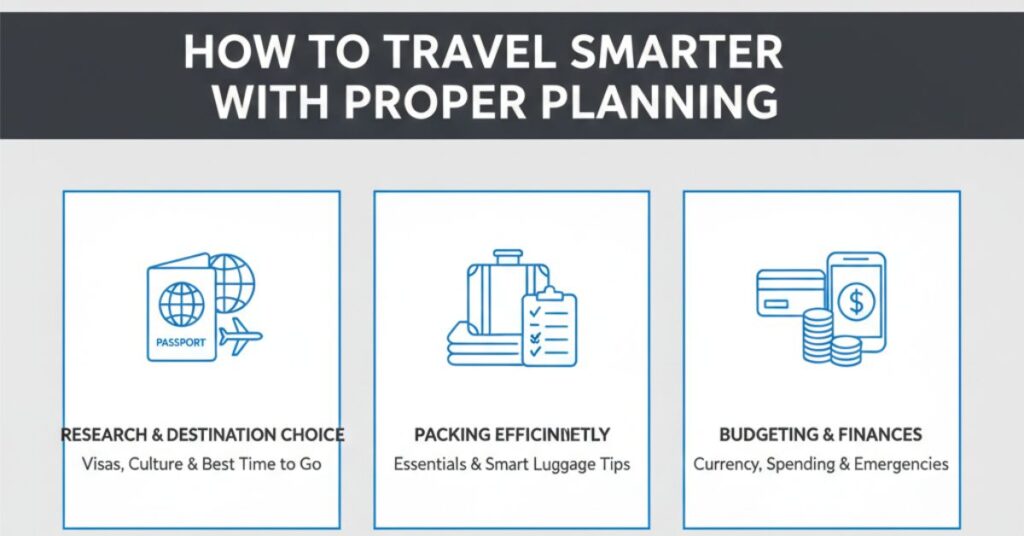
Travel can be one of life’s most rewarding experiences, but without proper planning it can quickly become stressful and expensive. Smart travel is not about rigid schedules or overplanning—it’s about making informed decisions that help you maximize enjoyment while minimizing risks, costs, and inconvenience. With thoughtful preparation, travelers can move more confidently, stay flexible, and enjoy richer experiences wherever they go.
What Does It Mean to Travel Smarter?
Traveling smarter means being intentional about choices before and during a trip. It involves researching destinations, organizing logistics, managing budgets, and preparing for unexpected situations. Smart planning allows travelers to focus less on problems and more on experiences.
Rather than rushing or reacting to issues as they arise, prepared travelers can adapt calmly and make the most of their time and resources.
Researching Your Destination in Advance
One of the most important steps in smart travel is destination research. Understanding local customs, climate, transportation options, and safety considerations helps prevent surprises.
Learning about peak travel seasons, cultural norms, and local laws allows travelers to avoid common mistakes. Even basic research—such as knowing public transit systems or local tipping practices—can significantly improve the travel experience.
Budget Planning and Cost Management
Proper planning helps travelers control expenses without sacrificing comfort or enjoyment. Creating a realistic travel budget includes transportation, accommodations, food, activities, and emergency funds.
Booking flights and hotels early often leads to better prices. Comparing options across platforms and being flexible with travel dates can reduce costs. Smart budgeting also includes tracking daily spending and prioritizing experiences that matter most.
Resources and planning-focused platforms such as FIDELETURF reflect how preparation and strategic decision-making contribute to smoother, more efficient travel experiences.
Choosing the Right Accommodation
Accommodation plays a major role in travel comfort and convenience. Smart travelers choose lodging based on location, accessibility, and purpose rather than price alone.
Staying near public transportation or key attractions saves time and reduces commuting stress. Reading reviews and understanding amenities helps ensure accommodations match expectations. Sometimes, spending slightly more for a better location results in overall savings and convenience.
Packing Strategically and Light
Packing smart is essential for stress-free travel. Overpacking leads to inconvenience, extra fees, and limited mobility. Creating a packing list based on destination climate and planned activities helps avoid unnecessary items.
Versatile clothing, comfortable footwear, and essential documents should be prioritized. Packing light also makes it easier to move between locations and reduces the risk of lost luggage.
Managing Travel Documents and Logistics
Proper organization of travel documents is a key aspect of smart planning. Passports, visas, tickets, reservations, and insurance details should be checked well in advance.
Digital copies stored securely and physical backups provide protection against loss or theft. Confirming entry requirements and expiration dates prevents last-minute complications that can disrupt travel plans.
Using Technology to Your Advantage
Technology has transformed modern travel. Navigation apps, translation tools, budgeting apps, and digital boarding passes simplify many aspects of travel. Downloading offline maps and important documents ensures access even without internet connectivity.
However, smart travel also includes setting boundaries with technology. Being present and mindful enhances the overall experience rather than constantly relying on devices.
Building Flexibility into Your Itinerary
While planning is important, overplanning can reduce enjoyment. Smart travelers build flexibility into itineraries, allowing room for rest, exploration, and spontaneous experiences.
Leaving open time reduces pressure and prevents burnout. It also allows travelers to adjust plans due to weather, local recommendations, or unexpected opportunities.
Prioritizing Health and Safety
Health and safety preparation is essential for smart travel. This includes checking vaccination requirements, packing basic medications, and understanding local healthcare options.
Travel insurance provides financial protection against cancellations, medical emergencies, or lost belongings. Staying informed about local safety conditions and emergency contacts increases confidence and peace of mind.
Transportation Planning and Efficiency
Understanding transportation options before arriving saves time and energy. Researching public transit systems, ride-sharing services, or car rental options helps travelers choose the most efficient methods.
Booking transportation in advance for long-distance travel reduces uncertainty. For local travel, knowing routes and schedules prevents delays and confusion.
Cultural Awareness and Respect
Traveling smarter also means being culturally aware. Respecting local customs, traditions, and etiquette enhances interactions and fosters positive experiences.
Learning a few basic phrases in the local language and understanding social norms shows respect and often leads to warmer interactions with locals.
Managing Time and Energy While Traveling
Smart travel considers energy management as much as time management. Long travel days, jet lag, and packed schedules can cause fatigue.
Balancing activities with rest supports physical and mental well-being. Scheduling downtime allows travelers to enjoy experiences more fully rather than rushing from one attraction to another.
Planning for the Unexpected
Even the best-planned trips can encounter challenges. Smart travelers prepare for unexpected situations by keeping emergency funds, knowing local emergency numbers, and having contingency plans.
Adaptability is a key travel skill. Being prepared allows travelers to handle disruptions calmly and continue enjoying the journey.
Long-Term Benefits of Smart Travel Planning
Proper planning leads to more meaningful and memorable travel experiences. Travelers feel more confident, organized, and relaxed when logistics are handled in advance.
Smart travel reduces stress, saves money, and creates space for deeper cultural immersion and personal enjoyment. Over time, these habits make travel more rewarding and sustainable.
Conclusion
Traveling smarter with proper planning transforms trips from stressful experiences into enjoyable journeys. By researching destinations, managing budgets, packing strategically, and staying flexible, travelers can make the most of every adventure. Smart planning is not about control—it’s about preparedness, awareness, and intentional choices. With the right approach, travel becomes smoother, richer, and far more fulfilling.