
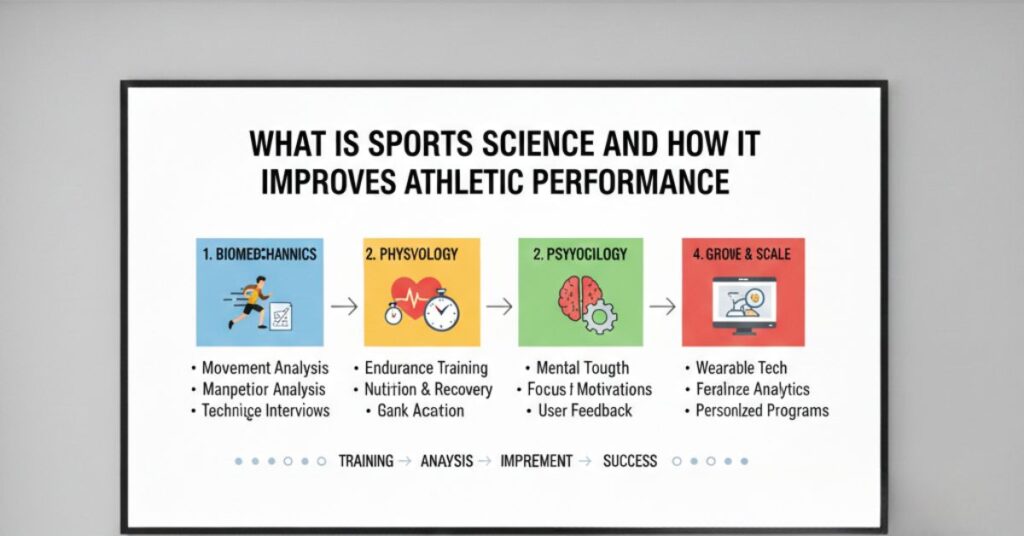
Sports performance is no longer driven by talent and hard work alone. Modern athletes rely on scientific methods to train smarter, recover faster, and compete at higher levels. This is where sports science plays a crucial role. Sports science combines multiple disciplines to understand how the human body performs during physical activity and how that performance can be improved safely and efficiently.
Understanding Sports Science
Sports science is the study of how the human body responds to physical activity, training, and competition. It uses scientific principles to optimize athletic performance, reduce injury risk, and enhance overall health. By analyzing movement, strength, endurance, nutrition, and psychology, sports science provides athletes with data-driven strategies for improvement.
The Evolution of Sports Science
Sports science has evolved significantly over the past few decades. In the past, training methods were often based on tradition or trial and error. Today, advanced technology, data analytics, and laboratory research have transformed how athletes prepare for competition. Professional teams, Olympic athletes, and even amateur sports programs now integrate sports science into daily training routines.
Why Sports Science Matters in Modern Athletics
As competition becomes more intense, small performance gains can make a big difference. Sports science helps athletes maximize their potential while minimizing physical strain. It allows coaches and trainers to design programs that are personalized, measurable, and adaptable, ensuring long-term athletic development rather than short-term success.
Core Disciplines Within Sports Science
Sports science is not a single field but a combination of specialized areas that work together to improve performance.
Exercise Physiology
Exercise physiology focuses on how the body adapts to physical activity. It studies cardiovascular endurance, muscle strength, oxygen uptake, and energy systems. By understanding how the body produces and uses energy, sports scientists can tailor training programs to improve stamina, speed, and power.
Biomechanics
Biomechanics examines movement patterns and technique. It analyzes how muscles, joints, and bones work together during athletic actions such as running, jumping, or throwing. Improving biomechanics helps athletes move more efficiently, reducing wasted energy and lowering the risk of injury.
Sports Nutrition
Nutrition is a fundamental part of athletic performance. Sports science evaluates how food and hydration affect energy levels, recovery, and body composition. Proper nutritional planning ensures athletes fuel their bodies correctly before training, maintain performance during competition, and recover effectively afterward.
Sports Psychology
Mental strength is just as important as physical ability. Sports psychology focuses on concentration, confidence, motivation, and stress management. By improving mental resilience, athletes can perform consistently under pressure and maintain focus during critical moments of competition.
How Sports Science Improves Athletic Performance
Sports science applies scientific research directly to training and competition. This practical application leads to measurable performance improvements.
Personalized Training Programs
One of the biggest advantages of sports science is personalization. Every athlete has unique physical characteristics, strengths, and limitations. Sports science assessments help design training programs based on individual needs rather than generic routines. This approach improves efficiency and reduces overtraining.
Enhancing Strength and Power
Through strength testing and muscle analysis, sports science identifies the most effective ways to build power. Training loads, repetitions, and recovery times are adjusted to stimulate muscle growth while avoiding fatigue-related injuries. This allows athletes to increase strength without compromising performance.
Improving Speed and Endurance
Sports science evaluates aerobic and anaerobic capacity to enhance speed and endurance. By monitoring heart rate, oxygen consumption, and fatigue levels, training intensity can be optimized. This ensures athletes improve cardiovascular fitness while maintaining peak energy levels during competition.
Optimizing Recovery and Injury Prevention
Recovery is a critical component of performance improvement. Sports science monitors muscle soreness, sleep quality, and workload to prevent burnout. Early detection of physical stress helps reduce injury risk, allowing athletes to stay consistent and competitive throughout the season.
The Role of Technology in Sports Science
Modern sports science relies heavily on technology to collect accurate data and monitor performance.
Wearable Devices and Performance Tracking
Wearable technology such as GPS trackers, heart rate monitors, and motion sensors provides real-time data during training and competition. This information helps coaches adjust intensity levels and identify performance trends over time.
Video Analysis and Motion Capture
High-speed cameras and motion analysis software allow detailed examination of athletic movements. Coaches use this data to refine technique, correct posture, and improve efficiency. Even small technical adjustments can lead to significant performance gains.
Data Analytics and Performance Metrics
Sports science transforms raw data into actionable insights. Performance metrics such as workload balance, fatigue scores, and efficiency ratings help decision-makers plan training cycles more effectively. Data-driven decisions reduce guesswork and increase consistency.
Sports Science in Team and Individual Sports
Sports science benefits athletes across all sports, whether they compete individually or as part of a team.
Application in Team Sports
In team sports like football, basketball, and cricket, sports science helps manage player workload and prevent injuries. It also improves teamwork by analyzing movement patterns, tactical positioning, and overall match intensity.
Application in Individual Sports
Individual athletes such as runners, swimmers, and tennis players rely on sports science for precision training. Since performance depends solely on individual output, even minor improvements in technique or recovery can significantly impact results.
Long-Term Athlete Development Through Sports Science
Sports science supports athletes throughout their entire career, from beginners to elite professionals.
Youth Athlete Development
For young athletes, sports science emphasizes proper technique, balanced training, and injury prevention. Early scientific guidance ensures healthy physical development and reduces the risk of long-term damage caused by improper training methods.
Supporting Professional Athletes
Elite athletes face intense physical and mental demands. Sports science helps extend careers by managing training load, improving recovery strategies, and maintaining peak condition during long competitive seasons.
Transitioning After Athletic Careers
Sports science also plays a role in helping athletes transition after retirement. Knowledge of fitness, nutrition, and injury management supports long-term health and well-being beyond competitive sports.
The Future of Sports Science
Sports science continues to evolve as technology and research advance.
Artificial Intelligence and Predictive Analysis
Artificial intelligence is increasingly used to predict injury risk and performance outcomes. By analyzing historical data, AI systems help design proactive strategies that keep athletes healthy and competitive.
Greater Accessibility for Amateur Athletes
What was once limited to elite professionals is becoming accessible to amateur and recreational athletes. Affordable wearables and online training platforms are bringing sports science principles to a wider audience.
Integrating Holistic Athlete Care
The future of sports science emphasizes holistic care, combining physical, mental, and emotional health. This integrated approach ensures athletes perform well while maintaining overall life balance.
Conclusion
Sports science is transforming the way athletes train, compete, and recover. By combining physiology, biomechanics, nutrition, psychology, and technology, it provides a complete framework for performance improvement. Whether for professional competitors or everyday fitness enthusiasts, sports science offers smarter, safer, and more effective ways to reach athletic goals. As research and innovation continue to grow, sports science will remain a key driver of success in modern athletics.
Read Also: How Sports Training Has Evolved with Modern Science